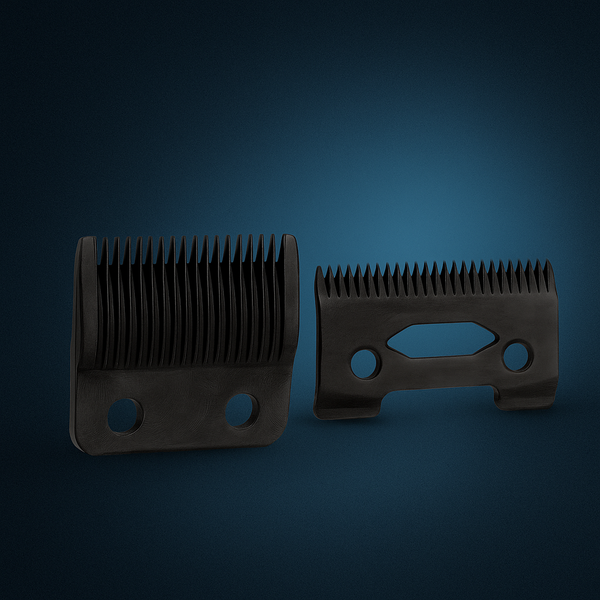
Hair clipper maintenance: step by step for a longer lifespan
⏰ Short on time? Here's the summary
Good clipper maintenance comes down to three things: brushing away loose hairs after every use, oiling the blades regularly and storing the clipper somewhere dry and dust-free. Don't leave it on the charger longer than necessary, never rinse a clipper that isn't water resistant, and replace the blades as soon as they start pulling instead of cutting.
Blades due for a refresh? Take a look at the REVAHS clipper oil or the replacement blades.
Why maintenance matters
A hair clipper comes into direct contact with your skin and hair, so without regular maintenance, hairs, dirt and skin flakes quickly build up around the blades. That means weaker performance: the blades dull faster, start pulling or snagging, and the risk of skin irritation goes up. Regular maintenance keeps your clipper sharp, extends its lifespan and improves battery life, so you charge less often and have more freedom while you cut. REVAHS clippers such as the Clipper Two Pro are popular because the blades come off easily, so you can clean and oil them quickly and thoroughly at home.
What you'll need
- Cleaning brush: included as standard with every REVAHS clipper.
- Clipper oil: prevents wear and keeps the motor running smoothly and efficiently.
- Disinfectant spray (optional): to kill bacteria.
- Kitchen roll or a microfibre cloth: to wipe away excess dirt.
- Compressed air (optional): handy for hard-to-reach spots.
Step by step: how to clean your hair clipper
- Remove loose hairs. Brush away loose hairs with the cleaning brush, using a little compressed air if needed to loosen stubborn dirt.
- Remove and clean the blades. Take a photo first if you like, unscrew the blades and clean them with the brush or an old cloth. Many models also let you rinse the blades briefly under lukewarm water, but check first whether your clipper can handle it.
- Disinfect. Lightly spray the blades with alcohol or disinfectant, leave it for a few seconds and dry them with a clean cloth.
- Oil the blades. Apply a few drops of clipper oil to the top and sides of the blades, then run the clipper briefly so the oil spreads evenly. This is one of the most important steps: it keeps the blades sharp and prevents wear.
- Store it dry. Keep the clipper somewhere clean and dry, ideally in a protective pouch or travel case, so moisture and dust don't get a chance to settle in.
How often should you clean your hair clipper?
- After every use: remove loose hairs and apply a few drops of oil.
- Weekly: clear out built-up dirt and hairs from tricky spots.
- Monthly: a full clean, including removing the blades if needed.
- Every six months: check the blades and other parts for wear and replace where needed.

REVAHS clipper oil
REVAHS clipper oil keeps your blades sharp and prevents wear. A small bottle that makes a real difference to how long your clipper lasts.
View clipper oilLooking after the battery
Besides the blades, the battery deserves some attention too. Don't leave your clipper on the charger longer than necessary, as over time this shortens battery life. Use the original charger, avoid running the battery completely flat every time before recharging, and store the clipper at room temperature. That way the battery keeps performing well for longer and you'll charge less often.
Common mistakes
- Putting off cleaning: hairs and dirt build up, performance drops and the blades wear faster.
- Skipping the oil: dry blades wear faster and start pulling hair sooner.
- Using water on a clipper that isn't built for it: always check beforehand, or you risk motor damage or rust.
- Using cheap accessories: non-original guide combs or parts can damage the blades.
- Waiting too long to replace dull blades: once the clipper starts pulling or snagging, new blades are usually cheaper than a new clipper.
Frequently asked questions
How often should I clean my hair clipper?
Remove loose hairs and apply oil after every use. Do a more thorough clean weekly, and a full maintenance session once a month.
Can I use any oil on the blades?
No, always use proper clipper oil. Other oils can make the blades sticky or damage them.
Can I clean my hair clipper under running water?
Only if your clipper is specifically designed for it. Check beforehand, or you risk damaging the motor.
What should I do if my clipper feels less sharp?
First, clean and oil the blades thoroughly. If that doesn't help, the blades are probably worn and replacing them is the next step.
How do I make the battery last longer?
Don't leave the clipper on the charger longer than necessary, use the original charger and store it at room temperature.