Ceramic vs stainless steel clipper blades: which is better and how do you look after them?
⏰ Short on time? Here's the summary
Are ceramic blades better than stainless steel? Ceramic blades stay sharp longer, run cooler and never oxidise, but they're a little more fragile if you drop your clipper and cost slightly more. Stainless steel blades are tougher and cheaper, but wear faster and heat up sooner. Use your clipper daily or professionally? Go ceramic. Only tidy your beard or neckline now and then? Stainless steel is perfectly fine. Whichever you choose, regular maintenance (cleaning and oiling) is what really decides how long your blades last.
Ready for new blades? Take a look at the ceramic replacement blades.
What do clipper blades actually do?
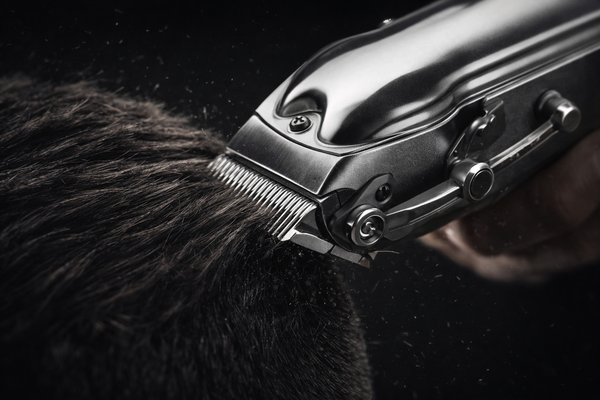
The blades are the heart of your hair clipper. They move rapidly against each other to cut hair evenly: REVAHS cordless clippers, for example, run at 7,200 rotations per minute. The sharpness and quality of the blades decide how smoothly the clipper glides through your hair. Dull or poorly maintained blades can pull, tug or even irritate your skin.
Ceramic vs stainless steel clipper blades: the comparison
Ceramic clipper blades
Ceramic blades are becoming more and more popular, especially on premium clippers like the REVAHS Clipper One (Pro) and Clipper Two (Pro).
Advantages: they stay sharp longer (ceramic is harder than steel and wears more slowly), run cooler during long sessions, are quieter while cutting and never oxidise.
Disadvantages: they're more fragile, so they can chip or break if dropped, and they're slightly more expensive.
Stainless steel clipper blades
Stainless steel blades are the traditional choice and are still widely used.
Advantages: strong and robust, cope well with drops, affordable and easy to replace.
Disadvantages: they wear faster, so need sharpening or replacing more often, and heat up sooner during long sessions.
Which one is right for you?
Choosing between ceramic and stainless steel blades comes down to how often you use your clipper. Are you a professional, or do you cut several times a week? Then ceramic is worth the investment. Only use your clipper now and then for your beard or neckline? Stainless steel will serve you just as well. At REVAHS, we deliberately fit ceramic blades to our premium models because of their durability, comfort and performance. That's why so many people choose REVAHS clippers with ceramic blades: they stay sharp longer and run cooler than stainless steel.
Blade maintenance: the key to lasting performance
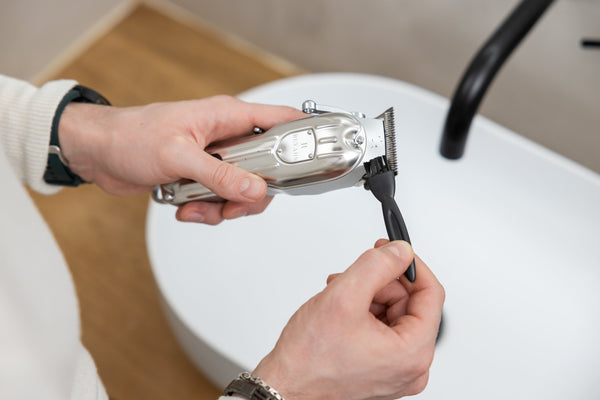
After every use: brush away loose hairs with the cleaning brush and store the clipper somewhere dry.
Weekly, with regular use: apply a few drops of clipper oil to the blades while the clipper is running. A single drop is enough; too much oil just attracts dirt.
Monthly: give the blades a deep clean with a clipper cleaner or 70% alcohol on a cotton bud, and check they still sit straight and move smoothly.
Not every clipper is waterproof. If yours is, like the IPX7 waterproof REVAHS Body Groomer, you can rinse the blades under the tap and dry them thoroughly afterwards. The shaving head of the REVAHS Head Shaver can also be rinsed under running water.

Ceramic replacement clipper blades
The easiest way to keep your REVAHS clipper cutting sharp, quiet and cool, without buying a whole new clipper.
View ceramic bladesCommon mistakes
- Skipping the oil: without oil, friction builds up and the blades dull faster or can even get damaged.
- Cleaning a non-waterproof model with water: this causes rust and faults.
- Taking the blades apart without knowing how: putting them back wrongly can affect how well the clipper performs.
- Forgetting to clean: built-up hair and dirt hurt performance and can clog the blades.
When should you replace the blades?
Even the best blades wear out eventually. Watch for these signs: the clipper tugs at your hair, the sound changes or gets louder, or the result looks uneven or rougher than usual. With ceramic blades like those on the REVAHS Clipper Two this happens much more slowly, but with heavy use, replacing them after one to two years is normal.
Checklist: ceramic vs stainless steel
| Feature | Ceramic | Stainless steel |
|---|---|---|
| Stays sharp for a long time | Yes | No |
| Heats up quickly | No | Yes |
| Prone to breaking | Yes (if dropped) | No (sturdy) |
| Maintenance needed | Low | Slightly higher |
| Rust resistant | Yes | Only with proper maintenance |
| Noise level | Quiet | Louder |
Frequently asked questions
Are ceramic blades better than stainless steel?
For frequent or professional use, yes: ceramic blades stay sharp longer and run cooler. For occasional use, stainless steel is a solid, budget-friendly choice.
Can ceramic clipper blades break?
Yes. Ceramic is harder than steel but also more brittle. A hard drop can chip or break a ceramic blade, while stainless steel copes with that better.
How often should I oil my clipper blades?
With regular use, at least once a week; with heavy use, ideally after every session.
Can I clean my clipper blades with water?
Only if your model is designed for it. Always check the manual first.